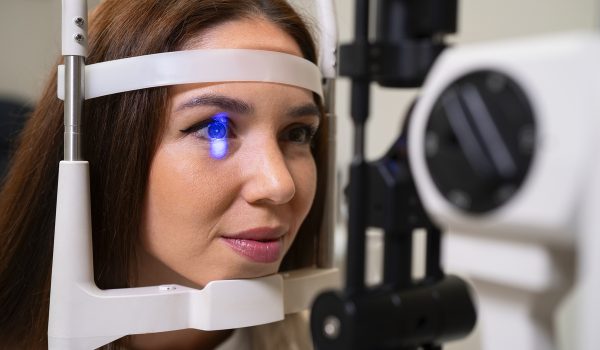


Welcome to a new era in vision correction! If you’ve been struggling with astigmatism, a common eye condition that affects how you see, you might be wondering about the possibilities offered by laser eye surgery. LASIK, one of the most popular types of laser eye surgery, has transformed the lives of countless individuals by providing them with clearer vision and freedom from glasses or contact lenses. We have been performing LASIK for more than 20 years using different lasers and ever improving technology and the question of astigmatism is one which I am asked about frequently. In this article we will explore everything you need to know about laser eye surgery for astigmatism and how it can potentially optimise your vision.
What is Laser Eye Surgery for Astigmatism?
Laser eye surgery is a precise procedure designed to correct common refractive errors such as myopia (short or nearsightedness), hyperopia (far sightedness) and presbyopia (age-related loss of accommodation), each of these refractive errors can also include astigmatism as a part of the correction. This surgery uses advanced technology to reshape the cornea, enhancing vision clarity. For those with mild astigmatism, laser eye surgery is often a preferred option. Alternatively, a toric intraocular lens can be used to correct astigmatism for patients seeking refractive lens exchange or cataract surgery.
Understanding Astigmatism and Its Causes
Astigmatism is a common refractive eye condition that occurs when the cornea or lens is irregularly shaped, leading to blurred or distorted vision. Most eyes are astigmatic, so the name does not imply that there is something wrong with the eye, it is just a descriptive optical term. Astigmatism that may require correction is called optically significant astigmatism and we will explore that in this blog.
Astigmatism can be caused by various factors, including genetics, eye injuries, trauma or the natural ageing process. Many individuals with astigmatism also experience myopia (nearsightedness) or hyperopia (farsightedness). Understanding the causes of astigmatism is crucial in determining the best course of action for vision correction. Fortunately, laser eye surgery has emerged as an effective solution and accurate method to correct astigmatism.
How Does Laser Eye Surgery Work for Astigmatism?
Laser eye surgery works by utilising advanced technology to reshape the cornea, allowing light rays to properly focus on the retina. For individuals with astigmatism, the laser treatment targets the corneal curvature, reshaping the curvature to reduce the steeper curvature or steepen the flatter curvature of the cornea. This process typically involves using an excimer laser, which is known for its precision and effectiveness in refractive surgery. By reshaping the cornea, laser eye surgery can significantly improve visual acuity, enabling patients to enjoy life without the dependence on glasses or contact lenses.
Types of Laser Eye Surgery Available
There are several types of laser eye surgery available for treating astigmatism, with LASIK being one of the most well-known. Other options include PRK (Photorefractive Keratectomy), LASEK (Laser Epithelial Keratomileusis), and SMILE (Small Incision Lenticule Extraction). Each type of laser eye surgery has its unique benefits and is suitable for different eye conditions. Consulting with an experienced ophthalmologist with access to a wide variety of technologies will help you understand which type of laser eye surgery is best suited for your specific needs and vision goals.
How Does LASIK Help Correct Astigmatism?
Laser eye surgery is a highly effective method to correct astigmatism. This procedure involves using an excimer laser to precisely reshape the cornea, which improves the focus of light as it enters the eye.
Depending on your prescription, laser eye surgery can correct astigmatism, even for those with low to moderate astigmatism. Following the procedure, many patients experience significant improvements. An eye specialist can determine if you are suitable for laser treatment. Modern lasers can treat
This advanced laser eye surgery technique is designed to provide lasting vision correction without the need for glasses or contact lenses. It is also used to treat astigmatism, offering a valuable option for individuals seeking to enhance their quality of life through improved vision.
What is LASIK Eye Surgery?
LASIK eye surgery is a revolutionary procedure designed to correct refractive errors, including astigmatism. During LASIK, your eye surgeon uses a femtosecond laser to create a thin flap in the cornea, allowing access to the underlying tissue. The flap is then lifted and an excimer laser is then employed to reshape the cornea, correcting the curvature responsible for astigmatism. This minimally invasive procedure is known for its quick recovery time and high success rates, making it a popular choice among individuals seeking vision correction.
How LASIK Reshapes the Cornea
The process of reshaping the cornea during LASIK is achieved by removing microscopic amounts of corneal tissue with each laser pulse. This allows the laser to reshape the curvature of the cornea by thousands of micrometres to improve light focus on the retina. This highly controlled reshaping allows for a significant reduction in astigmatism and enhances overall visual clarity. Patients often report immediate improvements in their vision following LASIK, allowing them to enjoy activities without the hindrance of glasses or contact lenses.
Is LASIK Effective for Myopia and Astigmatism?
Yes, LASIK is effective in treating both myopia and astigmatism, making it a versatile option for those with multiple refractive errors. Studies conducted by the Royal College of Ophthalmologists indicate that LASIK can significantly improve visual outcomes for individuals suffering from these conditions. By addressing both issues simultaneously, LASIK provides a comprehensive solution that can dramatically enhance your quality of life. Imagine waking up each morning with clear vision, ready to tackle the day without the need for corrective lenses!
CTA: Is LASIK Effective for Myopia (Link to LASIK for Myopia Correction)
What Are the Costs Involved in Laser Eye Surgery?
When considering laser eye surgery, it is important to understand the costs involved. The procedure itself can vary in price based on a number of factors, including;
- The experience and expertise of the surgeon
- The technology used
- The location of the clinic
- It is also important to understand whether pricing is inclusive of post-operative care, eyedrops and follow up visits.
For those who are a suitable candidate for laser eye surgery to correct astigmatism, the costs may be justified by the benefits. The technology utilises two different types of laser to reshape the cornea so that the eye is shaped more like a perfect sphere, enhancing vision.
How Much Does Laser Eye Surgery Cost?
The cost of laser eye surgery can vary based on several factors, including the type of laser used, the complexity of the procedure, and the surgeon’s expertise. On average, the laser eye surgery cost per eye can range from £1925 to £2495. While this may seem like a significant investment, many patients find that the long-term benefits, such as not needing glasses or contact lenses, far outweigh the initial expense. Additionally, considering the cumulative costs of purchasing lenses and solutions over time, LASIK may prove to be a more economical choice.
Are There Financing Options for LASIK?
Many eye clinics offer financing options to make laser eye surgery more accessible. These options may include payment plans, flexible financing, or partnerships with third-party lenders. Discussing financing options with your chosen eye surgeon and clinic can help you find a solution that fits your budget, allowing you to achieve your vision correction goals without financial strain. It’s important to prioritise your eye health and make informed decisions regarding your vision care.
Comparing the Cost of LASIK vs. Contact Lenses
When considering the cost of LASIK versus the ongoing expenses associated with contact lenses, many individuals discover that LASIK is a valuable investment. Over time, the costs of purchasing contact lenses, solutions, and eye drops can accumulate significantly. By opting for laser eye surgery, you can eliminate these recurring expenses, providing both financial savings and the convenience of clear vision without the hassle of daily lens care. LASIK often pays for itself within a few years, making it a worthwhile consideration for those with astigmatism.
What Are the Potential Complications of Laser Eye Surgery?
While laser eye surgery can effectively correct astigmatism and improve vision, potential complications should be carefully considered.
Before deciding on laser eye surgery or a lens implant, it’s essential to determine if you are a suitable candidate. An optometrist can diagnose astigmatism and evaluate the thickness of your cornea, ensuring the chosen method aligns with your vision needs.
Despite advancements, risks of laser eye surgery exist, including potential complications that may arise after the procedure. Understanding these factors can help patients make informed decisions about whether to pursue laser eye surgery to fix astigmatism or to opt for a different type of laser eye options.
Common Complications After LASIK
Like any surgical procedure, laser eye surgery may come with potential complications. Some common side effects following LASIK include dry eyes, glare, halos around lights, and fluctuating vision. However, most patients find that these symptoms improve significantly over time. It’s crucial to have realistic expectations and to discuss any concerns you may have with your ophthalmologist before the procedure. They will provide guidance on what to expect and how to manage any side effects you may experience. Rare complications include infection
Long-term Effects of Laser Eye Surgery
Long-term effects of laser eye surgery are generally positive, with the majority of patients enjoying improved vision for years after the procedure. However, some individuals may experience regression, where their vision returns to its previous state. Regular follow-up appointments with your eye surgeon can help monitor your eye health and address any changes in vision. A thorough evaluation of your eye condition and a discussion of potential long-term effects can assist in making an informed decision about your treatment options.
How to Minimise Risks During the Procedure
To minimise risks during laser eye surgery, it’s essential to choose a qualified and experienced eye surgeon. Ensure that you thoroughly research the clinic and inquire about the types of lasers they use, as well as their success rates. Pre-operative assessments are crucial in determining your candidacy for LASIK and identifying any factors that may increase your risk of complications. Following your surgeon’s pre- and post-operative instructions will also significantly reduce the likelihood of issues arising during and after the surgery.
Is Laser Eye Surgery Right for You?
Considering laser eye surgery? It’s essential to evaluate if you are a suitable candidate. LASIK surgery is a popular choice for those looking to correct their vision and reduce the need to wear glasses or contact lenses. For patients with astigmatism, LASIK for astigmatism can effectively treat this refractive error, alone, or in combination with others such as myopia or hyperopia.
Different types of laser surgery are available are available but there are also other forms of refractive surgery that may be a better choice for your particular circumstances e.g. the implantable collamer lens (ICL) or refractive lens exchange. Always remember that an alternative to any type of surgery is simply no surgery and to remain wearing glasses or contact lenses until the time is right for you.
Factors to Consider Before Undergoing Surgery
Before undergoing laser eye surgery, it’s important to consider various factors, including your overall eye health, the severity of your prescription, and your lifestyle. Candidates for LASIK should be at least 18 years old, have a stable prescription, and be free from certain eye conditions. Additionally, individuals with significant dry eye or certain medical conditions may need to explore alternative options. Discussing these factors with your ophthalmologist will help determine if laser eye surgery is the best choice for you.
Consultation with an Ophthalmologist
A comprehensive consultation with an ophthalmologist is essential before making a decision about laser eye surgery. During this appointment, your eye health will be evaluated, and your surgeon will discuss your vision goals and concerns. This is also an excellent opportunity to ask questions about the procedure, recovery, and expected outcomes. Your ophthalmologist will guide you through the process, ensuring you feel confident and informed about your decision. Ideally, you should meet the surgeon who is actually going to perform the surgery at your pre-operative consultation and they should see you after surgery to check all is well, along with any other professionals such as optometrists.
Alternatives to Laser Eye Surgery for Astigmatism
If laser eye surgery is not the right fit for you, several alternatives exist for treating astigmatism. These include contact lenses, glasses, and lens replacement surgery. Each option has its pros and cons, and your ophthalmologist can help you evaluate which alternative may work best for your vision correction needs. Understanding all available options will empower you to make a decision that aligns with your lifestyle and vision goals.
Contact us Today
Ready to take the next step towards a clearer vision? Contact us today to schedule your consultation or to learn more about laser eye surgery for astigmatism. Our dedicated team is eager to assist you on your journey to better eye health.