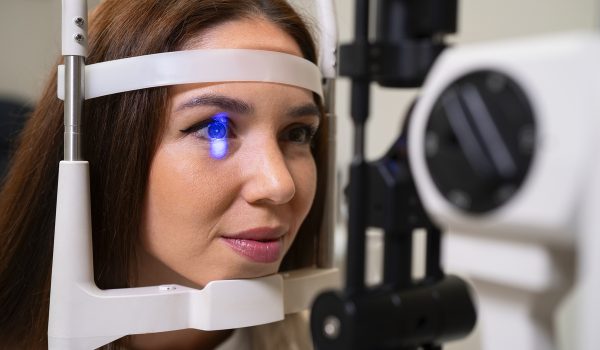


Getting laser eye surgery is one of the most life-changing decisions you can make for your eyesight. But the outcome does not rest entirely on the surgeon’s skill or the quality of the laser technology. How well you prepare for laser eye surgery in the weeks and days beforehand plays a real role in how accurate your pre-surgical measurements will be, how comfortable the procedure feels on the day, and how smoothly your recovery goes.
This guide walks you through every stage of preparation, from your first consultation right through to what to expect when you get home. Whether you are just starting to research your options or you already have a surgery date booked, reading this will help you feel more confident going in.
Why Does Proper Preparation Matter for Laser Eye Surgery?
Proper preparation is not about following rules for the sake of it. Each guideline exists because something specific can go wrong if it is ignored, and most complications that occur around laser eye surgery are preventable.
Your cornea needs to be in its natural, undistorted state when measurements are taken. Your eyes need to be free of irritation, infection, and inflammation before a laser touches them. And on the day of your surgery, your body and mind being calm and rested genuinely affects how the procedure goes. The laser tracks your eye movements throughout treatment, but you still need to be able to hold your gaze steady on a target light. Fatigue and anxiety make that harder.
The good news is that the preparation process is straightforward. Follow the instructions your clinic gives you, ask questions about anything you are unsure of, and most of the risk factors that sit within your control are easily managed.
When Should You Stop Wearing Contact Lenses?
One of the most important pre-surgery steps is knowing when to stop wearing contact lenses, and acting on it early enough. Lenses, particularly soft lenses, alter the shape of your cornea over time. Even a subtle temporary change may affect the accuracy of the eye measurements taken during your pre-operative assessment. If those measurements are slightly off, your surgical plan is based on inaccurate data.
For soft contact lens wearers, most clinics ask you to stop wearing lenses at least two weeks before your initial consultation. For rigid gas-permeable lenses the period is longer, often three to four weeks or more, depending on how long you have been a lens wearer. This applies before your assessment, not just before surgery day itself.
When you book a consultation at Laser Vision Eye Centre, your surgeon will confirm the exact timeframe based on your specific lens type and wearing history. If you are in any doubt, come out of them earlier than you think you need to. The shape of your cornea returning to normal before your eye examination is not something worth rushing.
What Happens During Your Consultation and Eye Examination?
Your consultation is a detailed clinical assessment, not a sales meeting. This is where your surgeon determines whether you are eligible for laser surgery, which procedure is right for your eyes, and what your likely outcome will be. Understanding what happens during this appointment helps you prepare for it properly.
The optometrist or surgeon will carry out a comprehensive eye examination that includes corneal topography to map the shape and thickness of your cornea, measurement of your prescription under dilating drops, tear film assessment to check for dry eye, pupil size measurement, and intraocular pressure testing. All of this informs your treatment plan.
At Laser Vision Eye Centre, your consultation is carried out personally by Mr David Anderson or Mr Aris Konstantopoulos. You will meet the surgeon who will perform your procedure, not a screening technician. This is the point to ask questions about the procedure, your suitability, and anything else on your mind. A good surgeon will answer any questions you have and be straightforward about what your results can realistically look like.
What Are the Do’s and Don’ts Before Your Laser Eye Surgery?
Understanding the do’s and don’ts before surgery is one of the most practical things you can do to prepare. Some of these are specific to the day before surgery; others apply in the weeks leading up to it.
Do stop wearing contact lenses within the timeframe your clinic gives you. Do attend your pre-surgery assessment with clean eyes and no makeup. Do arrange transportation home in advance, since you will not be able to drive after the procedure. Do eat normally and stay well hydrated. Dehydration affects tear film quality and there is no reason to fast before laser eye surgery.
Don’t wear makeup, especially eye makeup including mascara, eyeliner, or eyeshadow, for at least 24 to 48 hours before surgery. Residue around the eye can compromise the sterile environment required. Don’t apply perfume, aftershave, or scented products on the day of your surgery, as these can interfere with the laser equipment. Don’t use any eye creams or skincare around the eye area for 24 hours beforehand. And don’t assume that because your vision feels fine you can skip any part of your preparation guidelines. Eye conditions and healing profiles vary, and the instructions you receive are specific to you.

How Should You Arrange Transportation for Your Surgery Day?
Arrange transportation before your surgery date, not on the morning of. This is non-negotiable. Following laser eye surgery, anaesthetic eye drops will have been used to numb the surface of your eye during the procedure. Your vision will be hazy for the rest of the day, and you will not be able to drive home.
Ask a friend or family member to accompany you to the clinic and drive you home. If that is not possible, arrange a taxi in advance. You will not be in a state to organise transport in the car park after surgery.
On the same note, plan your first day or two at home. Most patients with desk jobs are back to work within two to three days, but having the day of your surgery and the following day clear is sensible. If your job involves screens, physical activity, or dusty environments, speak to your surgeon at your consultation about a realistic return date.
What Should You Expect on the Day of Your Surgery?
Knowing what happens on the day of your surgery removes a lot of the anxiety around it. The procedure itself is quick. Surgery day at Laser Vision Eye Centre takes place at Nuffield Health Wessex Hospital in Chandlers Ford, where the clinic has a dedicated Zeiss laser suite.
When you arrive, the nursing team will prepare you and apply anaesthetic eye drops to numb the surface of your eye. You will not feel pain during the laser procedure, though you may feel mild pressure during LASIK when the corneal flap is being created. You will be asked to fix your gaze on a target light while the laser works. The system tracks your eye movements in real time and compensates for small involuntary shifts, so you do not need to remain perfectly motionless. The active laser treatment takes well under a minute per eye.
After surgery, you will rest briefly at the clinic before being discharged with your post-operative instructions, prescription eye drops, and protective shields. Your vision will be blurry for the rest of the day. Most patients wake up the following morning with dramatically clearer vision than they have had in years. Your first post-operative check is usually within 24 to 48 hours, and this is where your surgeon confirms that healing is progressing well.
What Are the Different Types of Laser Eye Surgery and How Do They Affect Preparation?
Understanding which laser procedure you are having, and why, helps you know what to prepare for in terms of recovery time and aftercare.
LASIK
LASIK is the most widely performed laser eye surgery procedure worldwide. A thin flap is created in the corneal surface using a femtosecond laser, the excimer laser reshapes the tissue underneath, and the flap is repositioned. Recovery from LASIK is fast. Most patients see clearly within 24 hours and are back to normal activities within a few days. The main post-operative instruction specific to LASIK is not to rub your eyes, as this can displace the flap.
SMILE
SMILE is a flapless keyhole procedure using the femtosecond laser. Because no flap is created, there is less disruption to the corneal nerves and a lower complication rate related to dry eye compared to LASIK. Laser Vision Eye Centre is one of very few clinics in south central England to offer SMILE. Recovery is slightly slower in the first few days but outcomes are comparable.
LASEK / Advanced Surface Ablation
Used when the cornea is too thin for LASIK or when a flap would be inadvisable given a patient’s lifestyle. The laser works directly on the corneal surface. Recovery takes longer and the first few days involve more discomfort, so planning more time off work for this procedure is sensible.
PRESBYOND
For patients over 40 dealing with the onset of reading glasses dependency, PRESBYOND laser blended vision treats each eye slightly differently to allow the brain to blend distance and near vision. The preparation is the same as for other laser procedures.
What Are the Risks of Laser Eye Surgery and How Does Preparation Reduce Them?
Every surgical procedure carries some level of risk, and laser surgery is no exception. However, the risk profile for laser eye surgery is well established and generally low. Studies consistently show that the chance of a serious complication is under 1 in 1000 cases for most patients.
Preparation directly reduces the risk in several ways. Coming out of contact lenses early enough ensures your cornea is in its natural state when measurements are taken, which reduces the chance of an inaccurate prescription correction. Attending your full pre-surgery assessment allows your surgeon to identify any eye conditions or corneal characteristics that would make you less suitable for a particular procedure. Disclosing your full medical history and any medications you take allows your surgeon to assess anything that might affect healing. Following aftercare instructions reduces the risk of infection and complications during recovery.
The consultation process at Laser Vision Eye Centre is thorough precisely because identifying the right procedure for the right patient is how you get the best results. Not everyone is suitable for every procedure, and knowing that before surgery is far better than finding out after.
How Should You Prepare for Recovery After Laser Eye Surgery?
Post-operative care is where good preparation pays off most visibly. The aftercare instructions you are given are part of the treatment itself. Following them carefully, particularly in the first two weeks, is what separates a smooth recovery from an avoidable complication.
Use your eye drops exactly as prescribed, even when your eyes feel comfortable. The antibiotic and anti-inflammatory drops are managing the healing process whether or not you can feel them working. Wear the protective eye shields provided every night while you sleep for the first few nights. Do not rub your eyes, do not go swimming for at least two weeks, and avoid contact sports for at least four weeks.
Set up your home environment before surgery day rather than after. Have your eye drops organised, your bedroom able to be darkened, and some low-effort entertainment like podcasts or audiobooks ready. In the first 24 to 48 hours, minimal screen time and reduced light exposure will make a real difference to how your eyes feel.
What Questions Should You Ask at Your Laser Eye Surgery Consultation?
Going into your consultation with specific questions prepared means you come out of it with a clear picture of your options and what to expect. Ask questions about anything that concerns you. A surgeon who is confident in their assessment will welcome it.
Some questions worth raising: What outcome can I realistically expect based on my prescription and corneal measurements? Why have you recommended this particular procedure for my eyes? What are the specific risks I should know about given my individual profile? What does my recovery and aftercare schedule look like? And how do I reach someone at the clinic if I have a concern outside of office hours?
At Laser Vision Eye Centre, patients can reach an on-call ophthalmologist out of hours rather than an answering service. Knowing that before your surgery date makes the recovery period feel less uncertain.
Important Things to Remember
- Stop wearing contact lenses within the timeframe your clinic gives you, before your assessment, not just before surgery.
- Attend your full pre-operative eye examination with clean eyes and no makeup.
- Disclose your full medical history and prescription history honestly so your surgeon can assess your suitability and level of risk accurately.
- Arrange transportation home in advance. You will not be able to drive on the day of your surgery.
- Skip eye makeup, perfume, and skincare around the eyes for at least 24 to 48 hours before surgery.
- Eat normally, drink plenty of water, and get a good night’s sleep before your procedure.
- Follow your post-operative care instructions exactly, particularly around eye drops, eye shields, and avoiding water and contact sports.
- Attend all follow-up appointments and raise any concerns at your next post-operative check rather than waiting.
- Ask questions at every stage. Your surgeon is there to answer any questions you have and help you feel informed and confident.
FAQs: Preparing for Laser Eye Surgery
How long before surgery should I stop wearing contact lenses?
For soft lenses, at least two weeks before your assessment. For rigid gas-permeable lenses, typically three to four weeks or longer. Your clinic will confirm the exact timeframe at your first appointment.
Can I eat and drink before laser eye surgery?
Yes. Unlike many procedures, laser eye surgery does not require fasting. Eat normally and stay well hydrated. Dehydration can affect your tear film quality.
Can I wear makeup to my consultation?
To your initial consultation, yes. But stop wearing eye makeup at least 24 to 48 hours before surgery itself, and arrive on surgery day with no eye makeup, eye creams, or scented products.
Will I feel pain during the procedure?
No. Anaesthetic eye drops are used to numb the surface of your eye before the laser treatment begins. You may feel mild pressure during LASIK when the flap is created, but not pain.
How long does laser eye surgery take?
The active laser treatment itself takes under a minute per eye. Including preparation and rest time at the clinic, expect to be there for a couple of hours in total.
When will I be able to drive after surgery?
Not on the day of your surgery. You will be able to drive once your surgeon has assessed your vision at your first post-operative appointment, typically the following day. Arrange transportation home before your surgery date.
What if I have dry eyes?
Dry eye is one of the most common concerns raised at consultation. If your assessment picks up existing dry eye tendencies, your surgeon may recommend SMILE over LASIK, as SMILE involves less disruption to the corneal nerves. Artificial lubricant drops are used regularly during recovery regardless of procedure type.
How many follow-up appointments will I need?
Typically at 24 to 48 hours, one week, one month, three months, six months, and one year. At Laser Vision Eye Centre, every appointment is with your own surgeon throughout your laser eye surgery journey.
Can both eyes be treated in the same session?
Yes. In most cases both eyes are treated on the same day, one after the other. Your surgeon will confirm this at your assessment, but same-day bilateral treatment is standard practice for most patients.
Is there an age limit for laser eye surgery?
You need to be at least 18, and most surgeons prefer your prescription to have been stable for at least two years before operating. There is no strict upper age limit, though patients over 40 may be better suited to PRESBYOND or lens replacement surgery depending on their prescription and lifestyle.
How long do the results last?
For the majority of patients, the correction is permanent. The laser reshapes your cornea and that change does not reverse. Your vision can still change with age, particularly the onset of reading glasses in your 40s, but the original correction remains.
What happens if I blink or move my eye during the procedure?
The laser system uses real-time eye tracking technology that follows your eye movements and adjusts continuously. If movement is too significant, the laser pauses automatically. Blinking is prevented during treatment using a small speculum, so this is not something you need to worry about.
Can I have laser eye surgery if I am pregnant or breastfeeding?
No. Surgery is not recommended during pregnancy or while breastfeeding. Hormonal changes can temporarily affect your prescription and alter the shape of your cornea, which means measurements taken during this period may not be accurate. Most clinics ask you to wait until at least three months after you have finished breastfeeding.
Will I need glasses at all after surgery?
Most patients achieve full independence from glasses and contact lenses for distance vision. Some patients, particularly those over 40, may still need reading glasses as presbyopia develops with age. Your surgeon will give you a realistic picture of expected outcomes based on your specific prescription at your consultation.
How much does laser eye surgery cost and is finance available?
Pricing at Laser Vision Eye Centre varies by procedure. SMILE is priced at £2,350 per eye. Interest-free finance is available through Nuffield Health at 0% APR over 6, 10, 12 or 24 months, with longer-term options also available. Transparent, fixed pricing with no time-limited discounts is clinic policy.
Can I have laser eye surgery if I have had it before?
In some cases, yes. Enhancement procedures are possible if your vision has changed or the original correction was incomplete. Suitability depends on your remaining corneal thickness and your current prescription. This is assessed on a case-by-case basis at consultation.
How soon after surgery can I return to exercise?
Light exercise such as walking can usually resume within a day or two. Gym workouts and more strenuous activity are generally fine after one week, provided you avoid anything involving sweat near the eyes. Swimming and contact sports require a longer break, typically two to four weeks depending on the procedure. Your surgeon will give you specific guidance based on your activities.
What if my vision is not quite right after surgery?
Minor under-correction or over-correction can occur. In most cases this settles as healing progresses over the weeks following surgery. If your vision is not where it should be at your follow-up appointments, your surgeon will discuss whether an enhancement procedure is appropriate. This is one of the reasons attending every post-operative check matters.