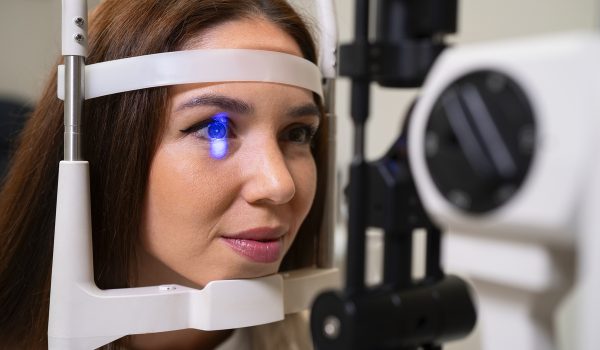


Is LASIK eye surgery the right solution for Myopia?
Are you fed up with the daily hassle of glasses or contact lenses? If you’re short-sighted (medically known as having myopia), LASIK eye surgery might just be the game-changer you’re looking for. In this guide, we’ll walk you through what LASIK involves, how it works, and whether it’s the right choice for your lifestyle and vision needs.
What is LASIK for Myopia and How Does Laser Eye Surgery Work?
LASIK (Laser-Assisted In Situ Keratomileusis) is one of the most well-known and commonly performed types of laser eye surgery. It’s designed to correct refractive errors like short-sightedness by gently reshaping the cornea—the clear front surface of the eye—so that light focuses properly on the retina. The procedure can also be combined with the correction of other refractive conditions, such as astigmatism or the need for reading glasses.
Using advanced femtosecond laser technology, your surgeon creates a very thin flap in the cornea, then applies a precision (excimer) laser to reshape the underlying tissue. This allows clearer, sharper vision—often within a day or two of the procedure.
For patients with more complex eye conditions, alternatives like refractive lens exchange or cataract surgery may be more suitable, which the eye consultants at Laser Vision Eye Centre can discuss with you.
Understanding Myopia and its impact on vision
Short-sightedness (myopia) affects how clearly you can see objects at a distance. It happens when the eye grows slightly too long, or the cornea is too curved, causing light rays to focus in front of the retina instead of directly on it. This means distant objects—like road signs, train schedules, or even a movie screen—can appear blurry.
Living with myopia can be limiting, but LASIK offers a long-term solution by addressing the shape and refractive properties of your cornea.
The LASIK procedure: A step-by-step overview
The LASIK surgery procedure is a relatively quick and straightforward process. Initially, an eye examination is performed by your eye doctor to assess your eye health and determine if you are a suitable candidate for LASIK. During the procedure, a femtosecond laser is used to create a thin flap in the cornea, which is then lifted to allow an excimer laser to reshape the underlying corneal tissue. This laser treatment adjusts the curvature of the cornea, correcting the refractive error associated with myopia. After the reshaping is complete, the flap is repositioned, and the healing begins. The entire procedure typically takes less than 30 minutes, making it the ideal option for many patients.
Types of laser eye surgery available for Myopia
There are several types of laser eye surgery procedures available for myopia, including LASIK, LASEK (Laser Epithelial Keratomileusis) also known as Advanced Surface Ablation (ASA) and ReLEX SMILE. LASIK is the most well-known type of laser eye surgery, as it became very popular over the past 3 decades due to its excellent outcomes, quick recovery time and minimal discomfort. Each type of laser surgery has its unique advantages, and your eye surgeon will recommend the best option based on your specific needs and vision correction goals. Understanding the different types of laser surgery will allow you to make more informed decisions.
What are the benefits of LASIK eye surgery for Myopia?

Freedom from glasses and contact Lenses
One of the most significant benefits of LASIK eye surgery for myopia is the freedom from glasses and contact lenses. Many people find that they become reliant on contact lenses, which can be inconvenient and costly over time. After undergoing LASIK surgery, patients often experience a dramatic improvement in their vision, allowing them to engage in their favourite activities without the hindrance of glasses or contact lenses. This newfound independence can enhance your quality of life, enabling you to enjoy outdoor sports, travel, and daily tasks with ease.
Quick recovery time after LASIK surgery
Another advantage of LASIK eye surgery is the quick recovery time associated with the procedure. Most people notice a significant improvement in vision within 24 hours. It’s not uncommon to return to work and normal activities the very next day – just one reason why LASIK is such a popular choice.
Long-lasting results of vision correction
LASIK eye surgery provides long-lasting results for individuals suffering from myopia. Most patients achieve 20/20 vision or better after the procedure without the requirement for glasses. While natural changes to your eyes can still occur over time, the results are typically stable and last for decades. This long-term success makes it an appealing option for those looking for a permanent solution to their eyesight challenges, ensuring you can enjoy a clear vision for years to come.
What are the potential side effects of laser eye surgery?
Common side effects of laser eye surgery
While LASIK eye surgery is considered safe and effective, it is essential to be aware of potential side effects and complications. Some individuals may experience temporary discomfort, such as blurred vision or sensitivity to light, immediately following the procedure. These side effects usually settle quickly, especially with proper aftercare. Awareness of what to expect following laser eye surgery will prepare you for a smoother recovery process.
Understanding dry eye and other side effects
Temporary dry eye is one of the most common side effects experienced after laser eye surgery. This occurs due to the temporary disruption of the tear film, which can lead to feelings of dryness, irritation, or a burning sensation in the eyes. Your eye consultant will provide eye drops and recommendations for managing dry eye symptoms effectively.
When to seek help after eye surgery for Myopia
It is essential to know when to seek help after undergoing eye surgery for myopia. While most side effects are temporary, any sudden changes in vision, persistent discomfort, or unusual symptoms should be discussed with your eye doctor promptly. Early intervention can help address any complications that may arise after the procedure, ensuring that your recovery remains on track. Your eye health is paramount, and being proactive about your post-operative care will contribute to a successful outcome.
How to prepare for your LASIK surgery?
Consultation: what to expect before LASIK
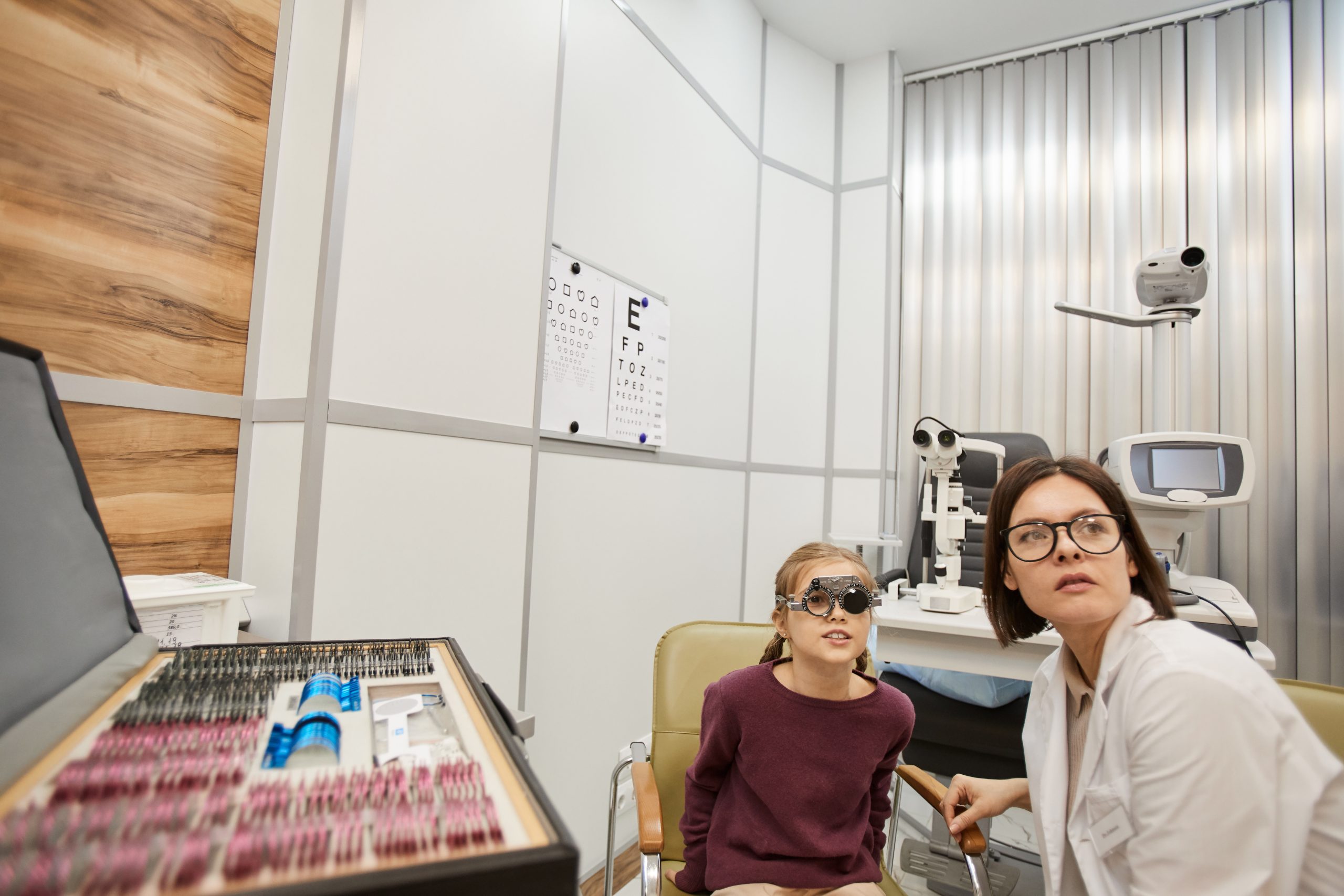
Preparing for LASIK eye surgery begins at the pre-surgery consultation. During this appointment, your eye surgeon will conduct a comprehensive eye examination to assess your suitability for the procedure. This includes measuring the curvature of your cornea, carrying out a refraction, checking your eye health, and discussing your vision correction goals. Understanding what to expect during your consultation will help you feel more comfortable, informed and engaged in the decisions regarding your vision correction options.
Pre-surgery guidelines and recommendations
In the days leading up to your LASIK surgery, you will receive specific pre-surgery guidelines and recommendations. These may include avoiding contact lenses for a certain period (depending on the type you wear), refraining from using eye makeup, and ensuring you have someone to drive you home after the procedure. Following these instructions diligently will enhance your surgical experience and contribute to a successful outcome. Being well-prepared will also alleviate any pre-surgery anxiety you may be feeling.
Post-operative care: eye drops and recovery tips
Post-operative care is crucial to ensure optimal healing after LASIK eye surgery. Following LASIK, we’ll provide eye drops and personalised advice in writing. You’ll need to avoid rubbing your eyes, swimming, and heavy exercise for a short period to support healing.
Is LASIK eye surgery the best option compared to lenses?
Comparing LASIK surgery to contact lenses
When considering vision correction options, one of the most common comparisons is between LASIK and contact lenses. While contact lenses provide a temporary solution for myopia, they require ongoing maintenance and replacement costs, which can add up over time. LASIK, on the other hand, offers a permanent solution, eliminating the need for ongoing purchases of lenses and solutions. The convenience of waking up with clear vision without the hassle of contacts is a significant advantage that many patients appreciate.
Advantages and disadvantages of laser eye surgery vs. glasses
Glasses are another popular method of vision correction for refractive purposes. However, they may not suit every lifestyle, especially for active individuals. While glasses provide a non-invasive option for correcting myopia, they do not offer the same freedom and convenience as LASIK eye surgery. Understanding the advantages and disadvantages of laser eye surgery versus glasses will help you make an informed decision that aligns with your lifestyle and vision needs.
Cost considerations: LASIK vs. long-term lens use
Cost is often a deciding factor when choosing between LASIK eye surgery and ongoing contact lens use. While the initial investment in LASIK may seem significant, it is essential to consider the long-term savings associated with eliminating the need for glasses or contact lenses. Over time, the cost of purchasing lenses, solutions, and other supplies can far exceed the one-time expense of LASIK surgery. By investing in your vision correction today, you are making a financially sound decision for your future.
Get in touch today.
Ready to take the next step toward a clearer vision? Contact us today to schedule your consultation or to ask any questions you may have about LASIK eye surgery. Our dedicated team is here to assist you every step of the way.