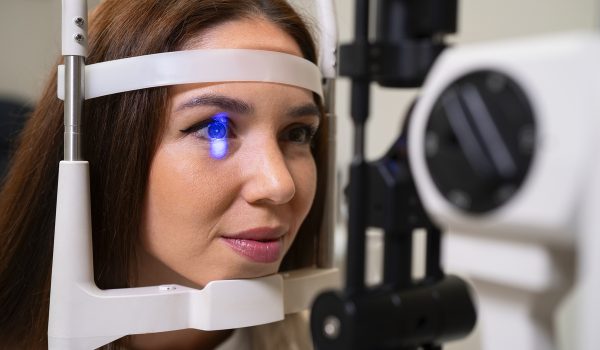


Laser eye surgery is a significant decision that can dramatically improve your quality of life by reducing or eliminating the need for glasses or contact lenses. However, it’s essential to understand the risks and side effects associated with this procedure. In this comprehensive guide, we will delve into the potential complications, side effects, and what to expect during your consultation and beyond.
What Are the Risks of Laser Eye Surgery?
Laser eye surgery is typically a safe and effective option for those seeking laser vision correction. However, it is important for laser eye surgery patients to be aware of the risks involved. These can include eye infection, loss of vision, and other potential side effects that may arise from the types of laser surgery performed. For instance, LASIK laser eye surgery employs a modern laser to reshape the cornea, but it may not be suitable for everyone.
What are the potential risks associated with laser eye surgery?
Laser eye surgery is generally very safe, especially when carried out by an experienced surgeon such as at Laser Vision Eye Centre, using the latest technology. But, as with any medical procedure, there are some risks you should be aware of.
Potential Risks Include:
- Infection – Rare, but possible, especially if aftercare instructions aren’t followed properly.
- Vision issues – Such as glare, halos around lights, or reduced night vision. These tend to be temporary and settle by month 3 or 4 following the procedure.,
- Dry eyes – A common but usually temporary side effect.
- Under or over-correction – Occasionally, a second procedure (called an enhancement) may be needed if the first doesn’t achieve the desired 20/20 result.
Most of these risks are manageable and temporary, but understanding them helps you weigh the benefits versus risks and contributes to an informed decision.
How can the type of laser procedure affect the risks?
The type of laser procedure used for your vision correction can significantly influence the side effects associated with laser eye surgery and recovery period. For instance, procedures like LASIK and ReLEX SMILE have a rapid recovery within 24 hours with no discomfort, while PRK and LASEK involve a longer visual rehabilitation period and discomfort the first night and day.
What complications of laser eye surgery should I be aware of?
Most patients (over 95%) are happy with their results and serious complications are very rare. But it’s good to know what can happen.
Complications from laser eye surgery can range from minor issues to more serious concerns:
Dry Eyes – very common (30–50%)
- Your eyes may feel dry, gritty, or like there’s something in them.
- Often starts right after surgery and can last weeks or months.
- Usually improves with artificial tears or prescription drops.
- Rarely, dry eyes can persist longer (1–2%).
Overcorrection or Undercorrection – occasional (5–10%)
- Vision isn’t quite perfect—maybe still need glasses for some tasks.
- Sometimes a “touch-up” or enhancement is needed after 3–6 months.
- This is more likely if you have a high prescription before surgery.
Infection or Inflammation – rare (<0.5%)
- Signs: increased redness, pain, vision changes.
- Treated with antibiotic or steroid eye drops.
- Very rare cases can lead to scarring or vision loss if not treated early.
Flap Complications (LASIK only) – rare (<1%)
- The corneal flap can shift, wrinkle, or heal unevenly.
- Risk is higher if you rub your eyes or get hit in the eye soon after surgery.
- Usually managed with re-positioning or extra care with no significant visual compromises.
Corneal Ectasia (Weakening of the Cornea) – very rare (0.04–0.6%)
- A progressive thinning of the cornea that can cause vision problems.
- More likely in people with naturally thin or irregular corneas.
- Screening before surgery helps reduce risk.
- May require special lenses or further surgery.
Being aware of these potential complications can help you discuss your concerns with your surgeon and set realistic expectations for your surgical outcome.
What Are the Side Effects of Laser Eye Surgery?
Laser eye surgery is an extremely popular option for those looking to reduce their dependence on contact lenses. However, it is essential to be aware of the potential risks and benefits associated with this refractive surgery.
What are the common side effects of laser eye surgery?
Common side effects of laser eye surgery can include temporary dryness of the eyes, glare, and haloes around lights, especially at night. Many patients experience fluctuations in vision during the healing process, which can be distressing but are typically temporary. It’s important to note that most side effects will gradually diminish over time as your eyes heal. Understanding these side effects can help you prepare mentally for the recovery period following your laser eye treatment.
Do side effects vary between different types of laser eye surgery?
Yes, side effects can vary significantly between different types of laser eye surgery. Each type of laser eye surgery has its own set of pros and cons, and discussing these with your eye surgeon can help you make a more tailored choice based on your specific eye health, lifestyle and what you would like to achieve.
This is how they compare:
- LASIK – Quick recovery, minimal discomfort, but involves creating a flap in the cornea.
- PRK – No flap – great for patients with thin corneas – but a longer healing period and more initial discomfort.
- LASEK – A mix between PRK and LASIK. The surface layer is loosened with a solution, then replaced after treatment.
- SMILE – A minimally invasive procedure, combing the benefits and LASIK and PRK. No flap is created and the recovery is rapid within 24 hours.
How long do side effects last after laser eye surgery?
The duration of side effects after laser eye surgery can vary widely among patients. In most cases, side effects like dry eye and fluctuations in vision may last from a few days to several weeks. However, for some individuals, it can take a few months for vision to stabilise fully. It is crucial to follow your surgeon’s post-operative care instructions and attend follow-up appointments to monitor your healing progress and address any lingering side effects.
How Does LASIK Compare to Other Types of Laser Eye Surgery?
When considering LASIK, it’s important to understand how it compares to other types of laser eye surgery. Modern techniques focus on removing minute amounts of tissue from the front structure of the eye, the cornea, utilising advanced laser technology to reshape the cornea.

What is the difference between LASIK, PRK, and LASEK?
The primary differences between LASIK, PRK, and LASEK lie in the surgical techniques and recovery times. LASIK involves creating a corneal flap using a femtosecond laser, allowing for a quick recovery and minimal discomfort. LASEK and Advanced Surface Ablation (ASA), on the other hand, involve removing the outer layer of the cornea – the epithelium – before laser treatment, leading to a longer recovery time but no flap related complications. ReLEx SMILE combines elements of both, where the outer layer is preserved and there is no flap created. Each technique offers unique advantages, and your eye surgeon can help determine the best option based on your eye health and lifestyle needs.
What are the benefits of choosing LASIK over other procedures?
The benefits of LASIK include its quick recovery time, minimal discomfort, versatility in prescriptions that can be treated and high success rates in achieving clear vision. Many patients report a dramatic improvement in their vision within hours of the procedure. The ability to return to normal activities quickly makes LASIK an appealing option for many individuals considering vision correction surgery.
What Should I Expect During My Consultation for Laser Eye Surgery?
During your consultation for laser eye surgery, you can expect a thorough evaluation of your eye health and vision. The surgeon will discuss how laser eye surgery could improve your eyesight and address any concerns you may have about the procedure.
Additionally, you will receive detailed information about the different types of procedures and what to expect during recovery. This is a great opportunity to ask questions and ensure that you feel comfortable moving forward with the surgery.
What questions should I ask my eye surgeon during the consultation?
During your consultation, it’s vital to ask your eye surgeon questions to gain a comprehensive understanding of the procedure and its implications. Enquire about the specific type of procedure that will be used, the expected outcomes, and the risks associated with laser eye surgery. Additionally, ask about the surgeon’s experience and success rates. Understanding these aspects will help you feel more confident and informed as you move forward with your decision.
What tests or evaluations are done before laser eye surgery?
Prior to laser eye surgery, a series of tests and evaluations are performed to assess your eye health and determine your suitability for the procedure. These tests typically include a comprehensive eye exam, corneal mapping (topography), and vision tests to evaluate your prescription. Your surgeon may also assess your tear production to identify any risk factors for dry eye post-surgery. These evaluations are crucial for tailoring the procedure to your unique eye conditions, ensuring the best possible outcomes.
How can I prepare for my consultation regarding laser eye surgery?
Preparing for your consultation can help you maximise the benefits of your visit. Write down any questions or concerns you have about laser eye surgery, and gather your medical history, including any current and previous spectacle/contact lens prescriptions or eye conditions. Being well-prepared will facilitate a productive conversation with your eye surgeon and help you make a more informed decision.
How Do I Choose the Right Eye Surgeon for Laser Eye Surgery?
Choosing the right eye surgeon for laser eye surgery is crucial for optimal results. Look for a surgeon with extensive experience in modern laser eye surgery but also in other vision correction techniques, in order to obtain a more objective assessment of the treatment available.
What qualifications should I look for in a laser eye surgeon?
When choosing a laser eye surgeon, it is essential to look for relevant qualifications, such as Fellowship of the Royal College of Ophthalmologists and being on the General Medical Council Specialist Register for Ophthalmology, and extensive experience in performing laser eye surgery. A qualified surgeon should have a solid understanding of the various types of laser treatments available, as well as the ability to customise procedures based on individual patient needs. Additionally, consider their success rates and patient reviews to ensure you select a surgeon who prioritises safety and effective outcomes.
How can I find reputable laser eye surgeons in my area?
Finding reputable laser eye surgeons can be done through various means. Start by seeking recommendations from your optometrist, as they often have insight into local specialists. Online reviews and ratings can also provide valuable information about surgeons in your area. Furthermore, visit the websites of local eye clinics to learn more about their services and the qualifications of their surgeons. Conducting thorough research will help you make an informed choice for your laser eye surgery.
Still not sure about Laser Eye Surgery?
If you are considering laser eye surgery and want to learn more about the available options, their safety and success rates contact us today. Our team of experienced professionals is here to guide you through every step, ensuring that you feel confident and informed in your decision-making. Don’t wait any longer to take the first step towards a clearer vision!